
Muddling through May

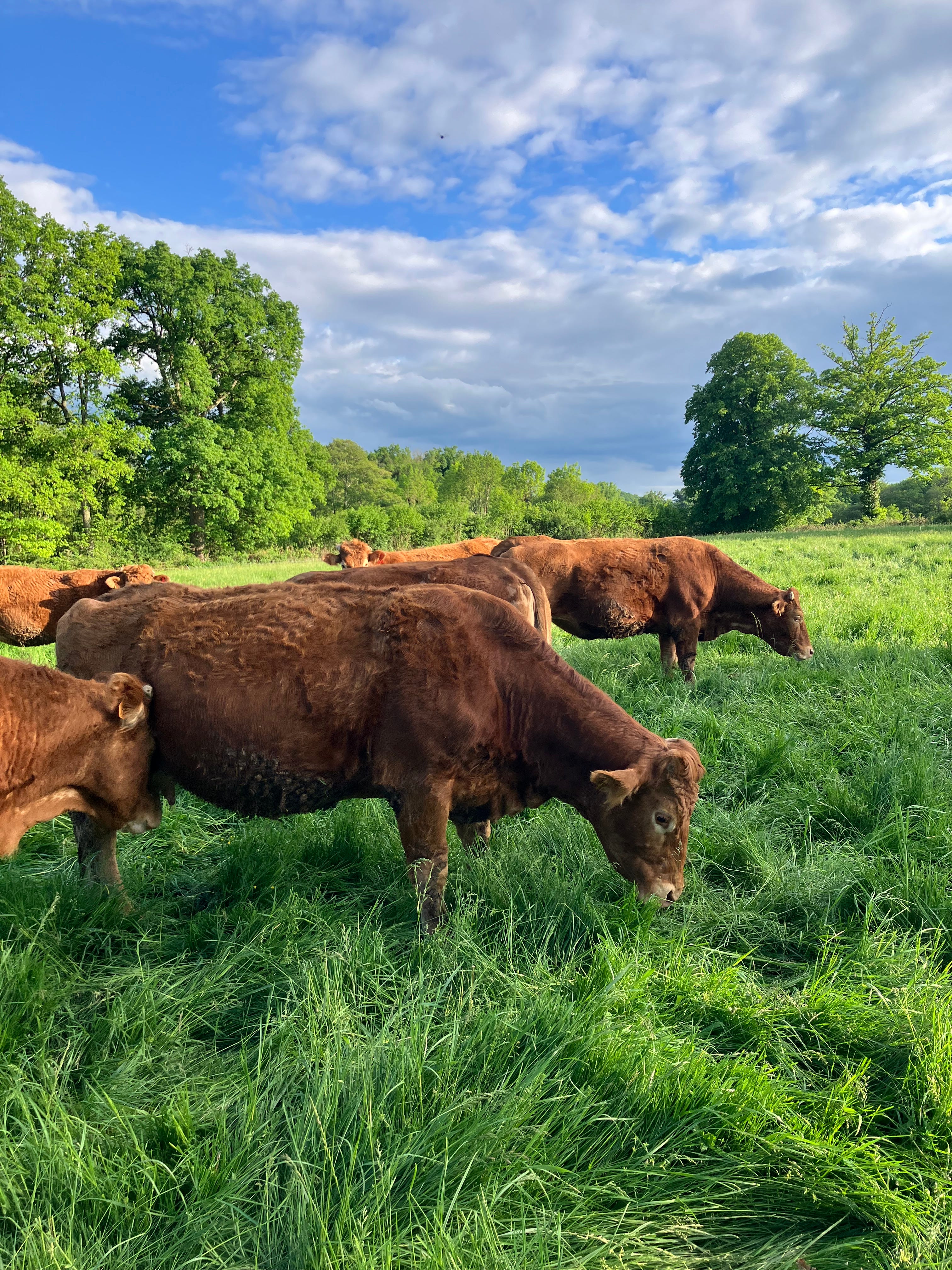
And just like that, the weather is torrential. Last night we sat out with friends, eating steak off the barbecue, and now I have been drenched within minutes, having run outside to rescue my seedlings that lay unprotected in the battering rain. April’s rainfall was down to 30% of its average. I have a shed full of lambs that are running to their mothers having never experienced this bizarre twist in their atmosphere; the ground had turned to dust under our feet, but now it pours, in welcome sheets, onto my head, into my eyes, and making me cold for the first time in days. We need the rain. We cannot cope with another year of drought, another year of eking out food supplies, praying for an early spring with plenty of grass to put the cows to because the shed is already looking bare. We moved to La Creuse because, amongst other things, it is a little cooler, a little wetter, a little greener than the Allier; the grass goes a little further, but last year went against this trend, and so far, this year is not looking any better.
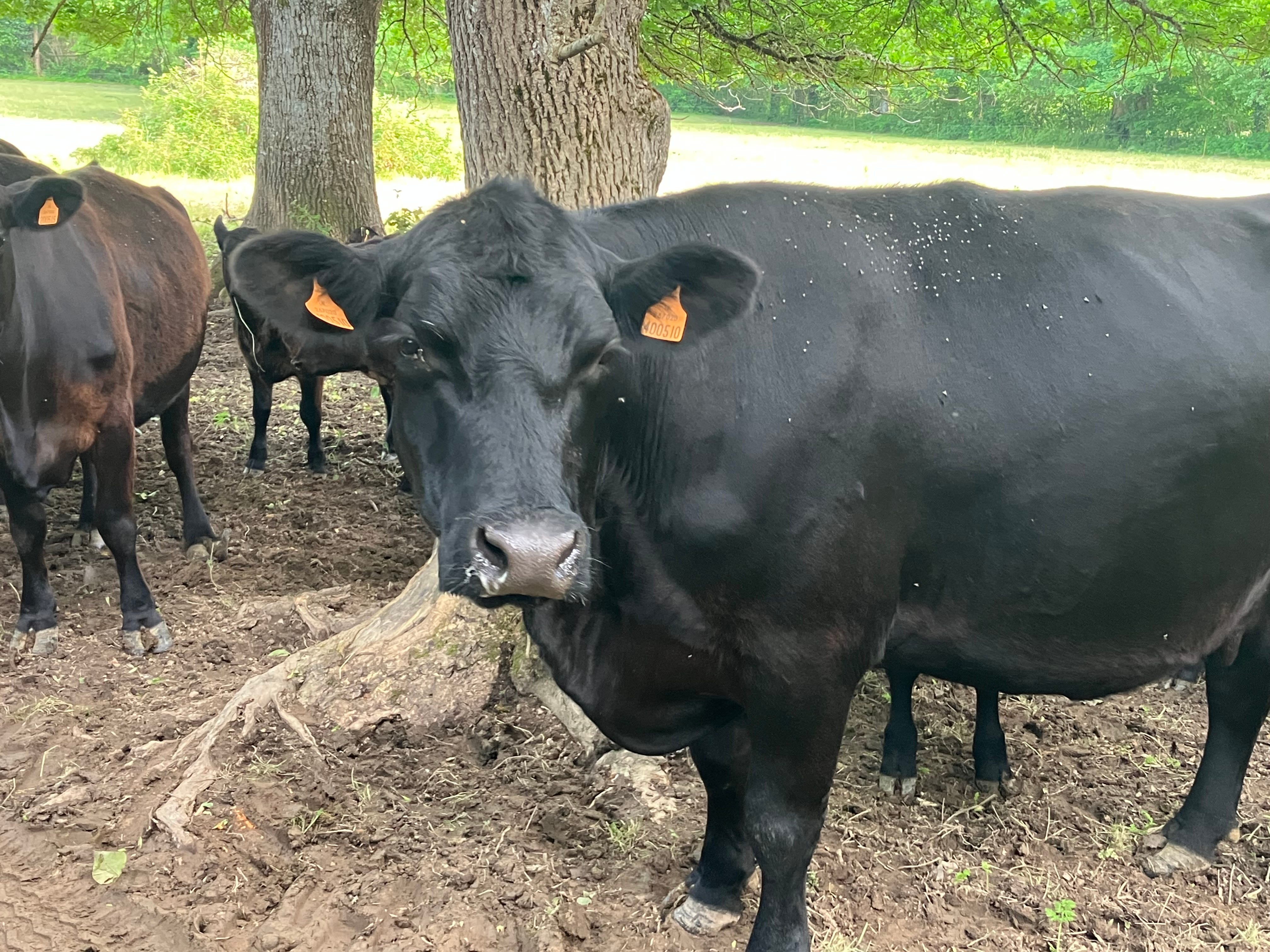
We are putting cows out. We have had them in to have them scanned for pregnancy and now we are putting them back out on a new block of fresh grass. It is me and Matthew as Madi is in the UK, and as running them out on foot would involve running them through the village and over the railway track, we have decided to load them into the livestock trailer, and trailer them out two by two. It is a slower job than it otherwise would be but far less stressful. We are on the penultimate load, and about 90 minutes into the entire job…. the cows that are already out have beaten the boundaries and are back next to the gateway, peacefully eating, all except one calf who is nowhere to be seen. There is one black Angus calf out here, amongst a crowd of ginger Limousins, and we cannot see him anywhere. We drive around the fence - they often tuck themselves up in the shelter of the hedgerow for a snooze, but still no sign of him; we scour the neighbouring fields as we pass them - nothing; we trudge through the adjoining field, my legs aching as I wade through the silage grass, so tall that it tickles my shoulders as I go - still nothing; his mother continues to mooch along, ripping great clods of grass up with her tongue, not a care in the world…. but the grass is so long that a calf could easily disappear into its shady underbelly and be hidden from sight - we hope that this is the case, and experience tells us that his mother is too calm to not know where he is so we decide to collect the last load of cows, giving mother and baby some time to decide that they would like to see each other again, and do the searching out for us; When we return however, there is still no sign of him. Resided, we turn around to fetch the quadbike as it will be far easier to search with than the Land Rover with cattle trailer attached, when a sudden movement catches Matthew’s eye, and there he is, not even 150cms away, laying in the grass, his sunlit snooze disrupted by the noisy, inconsiderate farmer…. it is a relief as his mother wonders over as if suddenly remembering he exists. We can spend hours looking for calves at this time of year, they are still quite small , many of them have only known the winter, indoor accommodation, and they are easily camouflaged behind a bramble or in two feet of grass. This won’t be our last ride around, cursing a nonchalant mother for not calling her baby to her side when we appear.
The middle of May comes looming and with it Les Saintes de Glace, the last supposed chance of frost. This is the point at which potagers around us will suddenly start to fill with young tomato plants, peppers, aubergines, courgettes and other tender plants being pulled out from sheltered and protected nooks and crannies, to take their place in the landscape of summer, but we still don’t have our potatoes in the ground, and time is starting to slip by. The rain is coming. We have managed to acquire an old potato ridger from a neighbouring farmer who is retiring, this will make planting the 240 seed potatoes that I have chitting in a spare room easier but they still have to be placed and covered by hand and we are now in a race against the storm that is rolling around us. Fat raindrops plop on the ground as I am bent, trying to place the potatoes in the trench as Matthew hoes the dirt back over them and mounds them up…. one drop, plop, then another, plop, another and another, soon our clothes are clinging to our bodies, soaked from the building deluge, thunder claps as we reach the end and grabbing our tools, hurry indoors just as the storm breaks in full with a downpour so heavy, we can barely see the field where we have just been standing; at least our seeds will be well watered in.
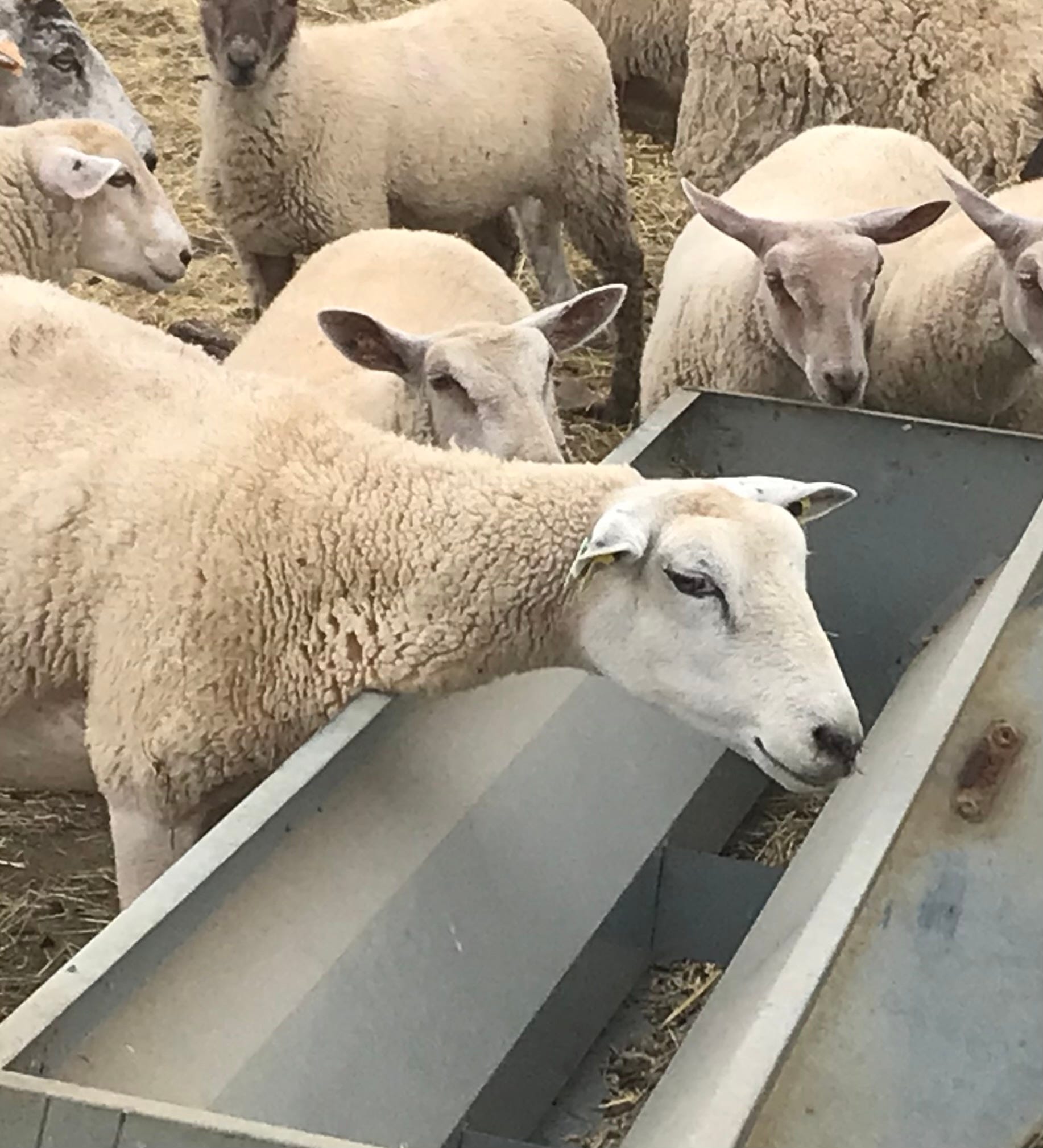
A shadow casts itself across the farm. Rain and cold; an icy wind and grey. Daffodil has died. My old matriarch lays, as if sleeping, in the shed. We knew the time was coming, she had been looking older and older with the passing months and years, and now the time had come. She was the last remaining member of my original sheep flock - always at the front of the bustling crowd for food, with a distinctive baa that could be heard upon approach. She had been subdued and less forceful of late, old of character and wisened. I draw peace from the knowledge that she has been cared for well, and smile at the sight of her daughters in the shed, now mothers themselves.
The swallows are trying to nest in our house. Everyday, all day, they are swooping in and out, landing on a window frame, clothes airer, curtain pole, and chittering and chirping, surveying the area for suitable locations - the cats and dogs have stopped paying any attention to them and appear to have just accepted them as a normal part of the household. The windows are all flung open as the temperatures begin to climb once more, and each morning we are awoken by the loud arrival of a swallow in our bedroom, noisily communicating the days news to us like a town crier. They are beautiful, and a welcome announcement of the warmer weather every year, but I soon have to close the window when I discover that a nest has just begun to be formed behind my curtain, only the beginnings of one thankfully, so the squatter has plenty of time to find a new location as I set about removing the mud like substance from the back of our curtain pole.
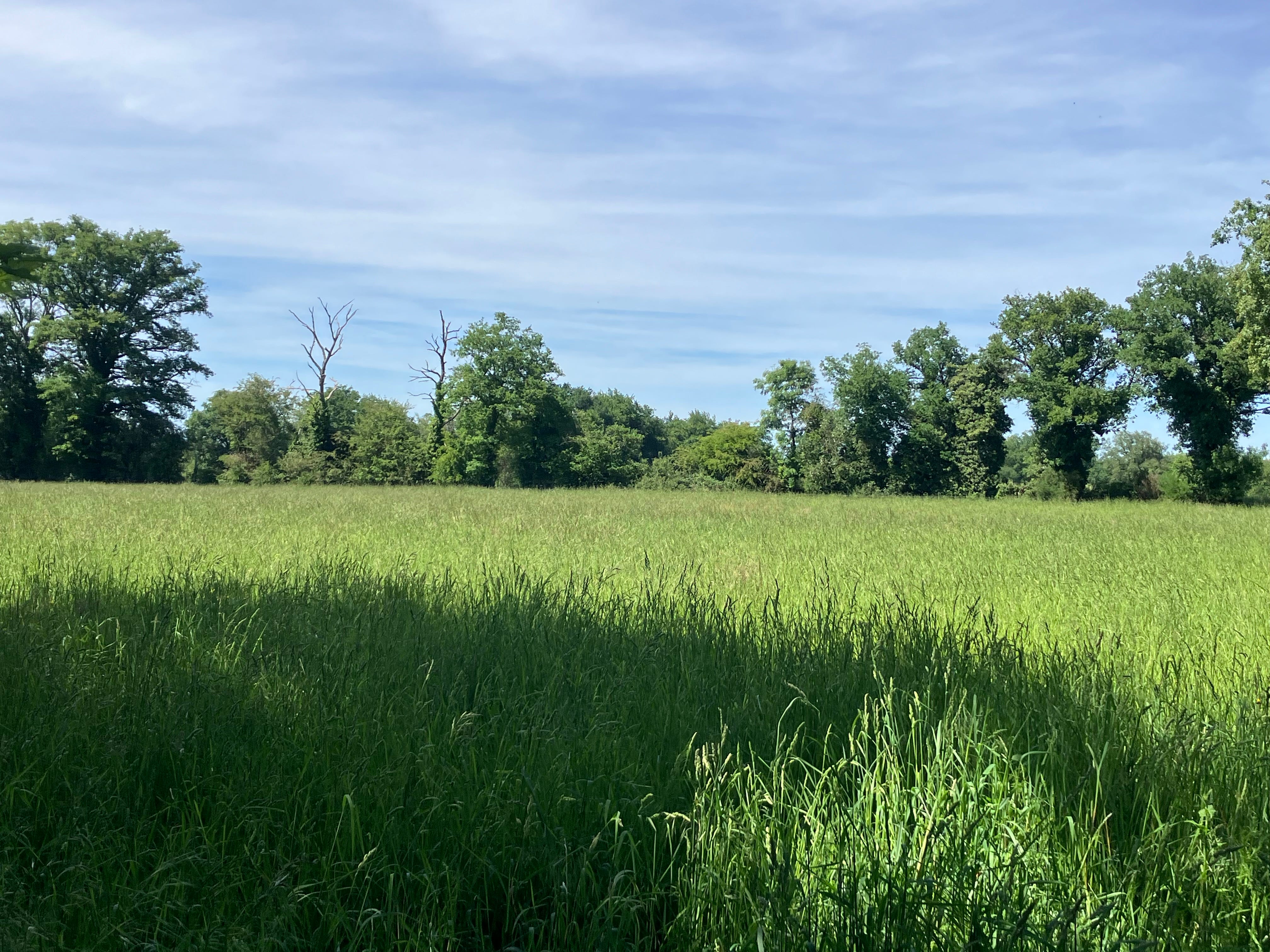
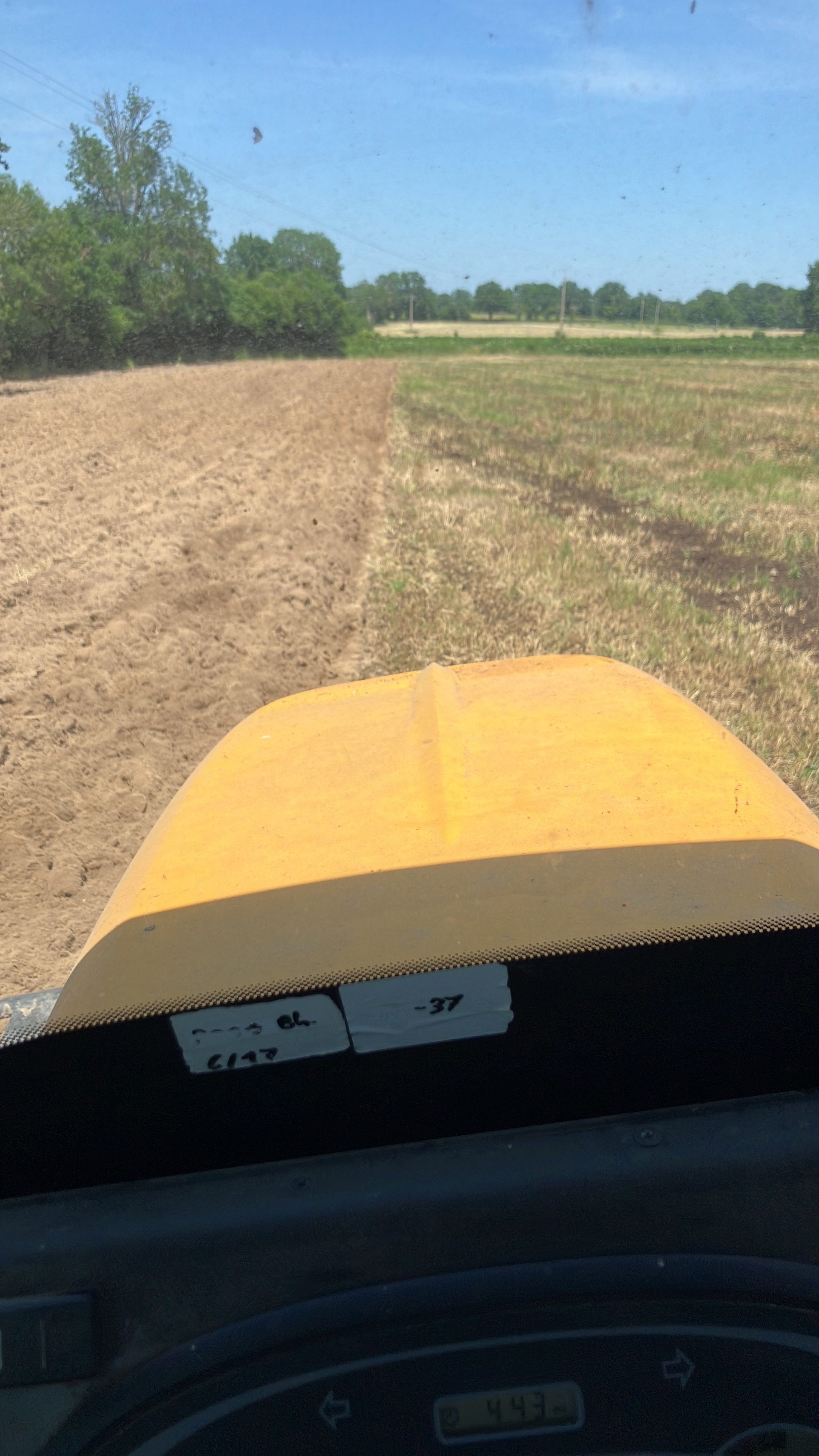
Once more the weather has turned and summer announces its proximity. Days of glowing clarity and 30 degrees gather around us, and from every direction can be heard the low humming of tractors pulling mowers through thick meadow grasses. Silage is being cut in every corner of our world, and we are no exception. Matthew goes out tentatively into a field that we know is scattered with great granite boulders, now no longer visible through the billowing fauna surrounding them. He is taking the job on single-handed; if a boulder is going to be struck, he wants to be the one to do it, after all, he is then the one who has to fix it. Two fields are cut and baled and wrapped with no issues - a job well done, but where other farmers are pushing on into third, fourth and fifth fields, our agenda shifts. We still have to plant our maize and that has to take priority. So, after the bales are cleared, Matthew sets to , ploughing the very same two fields, having laid them thick with muck for fertilisation; and that is when the trouble starts. A sheared bolt, overheating, bursting hoses and windows blackened with oil…. a two day job turns into a week and all plans of making more silage fall away as the forecast draws closer to rain once more. It arrives in a blustery surge of downpours and showers just 12 hours after the maize is finally, successfully sown.
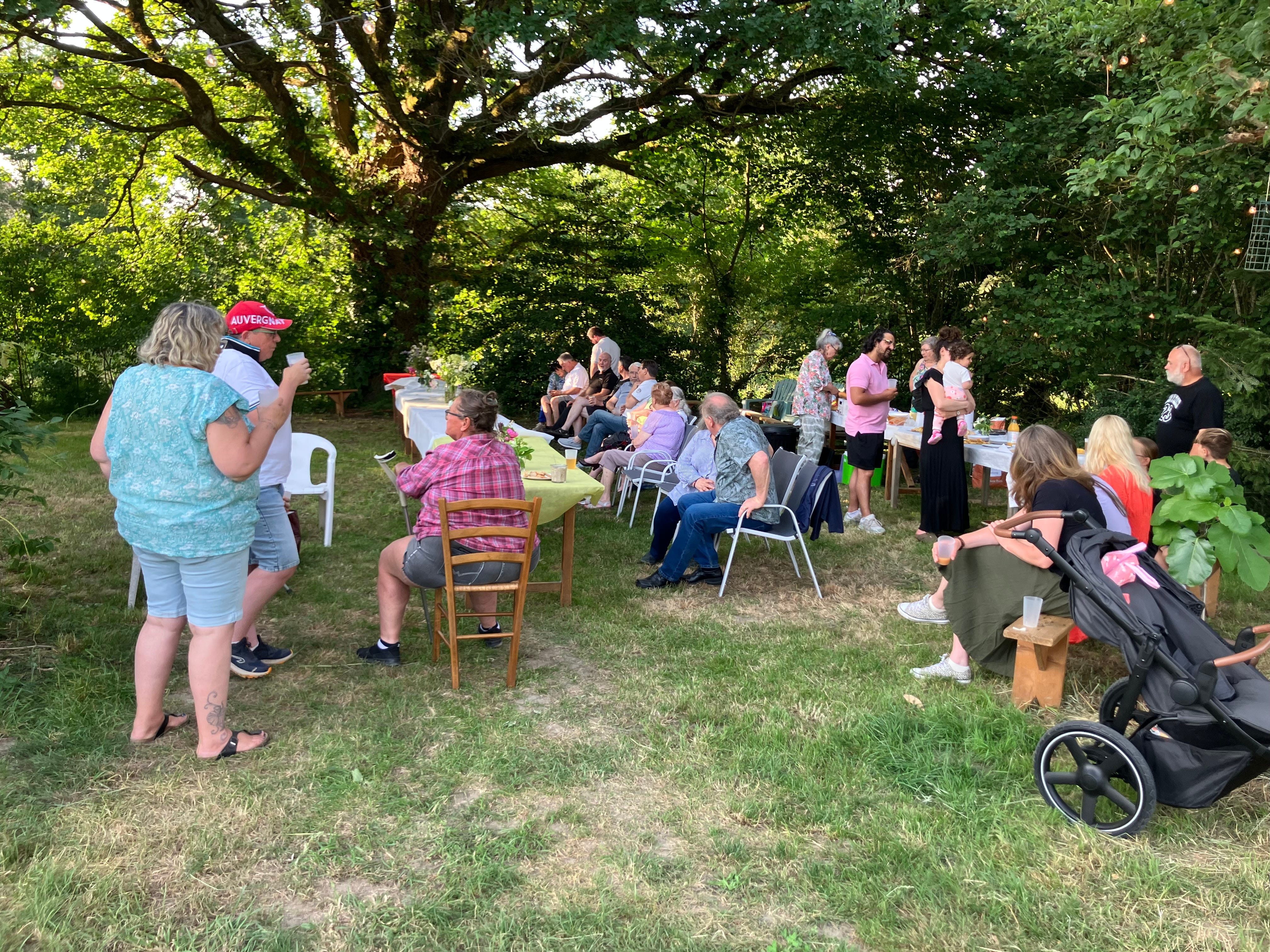
The last weekend of May has become the weekend in which neighbourhoods, villages and communities across France gather to enjoy each others company - a fight against the ever increasing isolation of modern day living. Our village has not partaken in some years, but with several new families having moved in, ourselves included, it has been decided that it is a tradition that should be resurrected, and we are the hosts. Originally we were asked to hold it in one of our barns in case the weather was bad but as the time drew closer and the weather grew finer we decided that it would be far nicer to host it in our garden, under the shade of our large, old oak tree; a tree, it transpires, is a focal point of the evening, as discussions ensue as to its age and how it is the oldest oak in the village, apparently admired and treasured by all, not just ourselves. It provides a beautiful canopy for the soiree. Nearly the entire village is in attendance and it is a traditional long French evening, with aperos, and several courses taken over conversation, laughter, and old and blossoming friendships. We feel a part of something beyond us, greater than us, a place that is full of history, stories, lives, past, ongoing and yet to come; four generations of people sit and enjoy each other with promises of reinstating La Fete de Voisins in the years to come.
Nice to read love the story of the calf. Thank god you found him.